
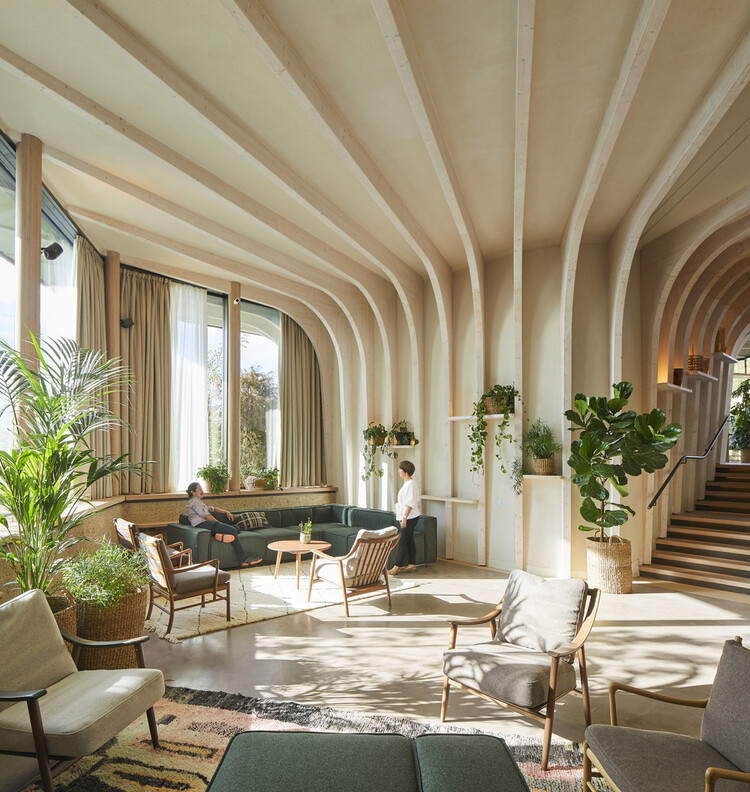
Interior Design introduce
What is an Interior Design?
Interior design is a multifaceted profession that involves the conceptualization, planning, and execution of interior spaces to enhance the quality of life and culture of the occupants. Interior designers work with clients to create aesthetically pleasing and functional spaces by considering factors such as the use of space, color schemes, furniture selection, lighting, and overall design aesthetics.
How Can I Learn?
Formal Education:
Interior Design Programs: Consider enrolling in a formal interior design program at a college or university. Look for programs accredited by relevant design organizations. These programs often cover a wide range of topics, from design principles to technical skills. Degrees and Certificates: Pursue a degree in interior design or obtain certificates in specific areas of interest. Degrees may include an Associate's, Bachelor's, or Master's degree in interior design. Online Courses and Workshops: Many platforms offer online courses in interior design. Websites like Coursera, Udemy, and Skillshare provide a variety of courses at different skill levels. These can be more flexible and affordable compared to traditional education.Self-Study and Books:
Invest in books and resources on interior design. There are many excellent books covering design principles, color theory, and practical tips. Explore publications by renowned interior designers to gain insights into their approaches and philosophies.Hands-On Experience:
Gain practical experience by working on real projects. Offer your services to friends or family members who may need assistance with interior design. Practical application is crucial for honing your skills.Networking:
Connect with professionals in the field. Attend industry events, workshops, and conferences to meet experienced designers. Networking can provide valuable insights, mentorship opportunities, and a better understanding of the industry.Internships and Entry-Level Positions:
Seek internships or entry-level positions with established design firms. Practical experience in a professional setting will enhance your skills and provide exposure to real-world projects.Software Proficiency:
Familiarize yourself with design software commonly used in the industry, such as AutoCAD, SketchUp, and Adobe Creative Suite. Proficiency in these tools is often a valuable skill for interior designers.Stay Informed:
Keep yourself updated on industry trends, new materials, and emerging technologies. Follow design blogs, attend trade shows, and subscribe to design magazines to stay informed about the latest developments.Join Professional Organizations:
Consider joining professional organizations such as the American Society of Interior Designers (ASID) or the International Interior Design Association (IIDA). These organizations provide resources, networking opportunities, and support for designers.Portfolio Development:
Create a strong portfolio showcasing your best work. This is essential when applying for jobs or presenting your services to potential clients.Related Posts
-

The Best Interior Designers
24 Nov 2023 -
Interior Design introduce
24 Nov 2023